
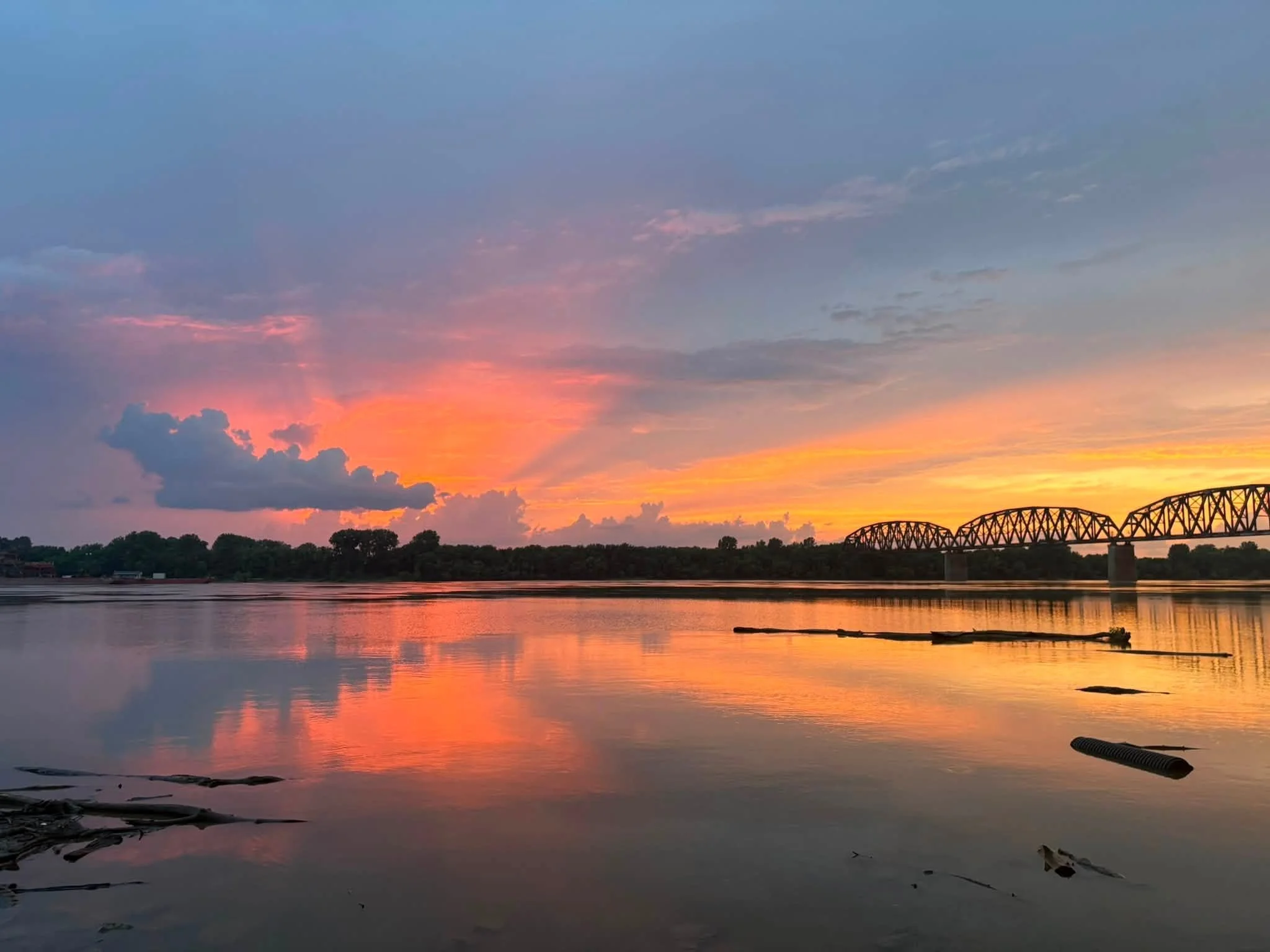
The river teaches patience. It transforms the discarded into something beautiful and reminds us that time leaves its mark on everything. Follow along as I share river finds, hidden places, local history, and the inspiration behind the art of Selcouth Studio.
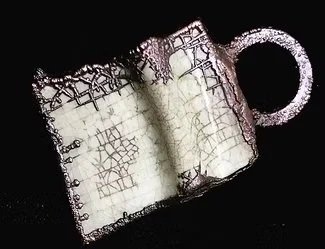
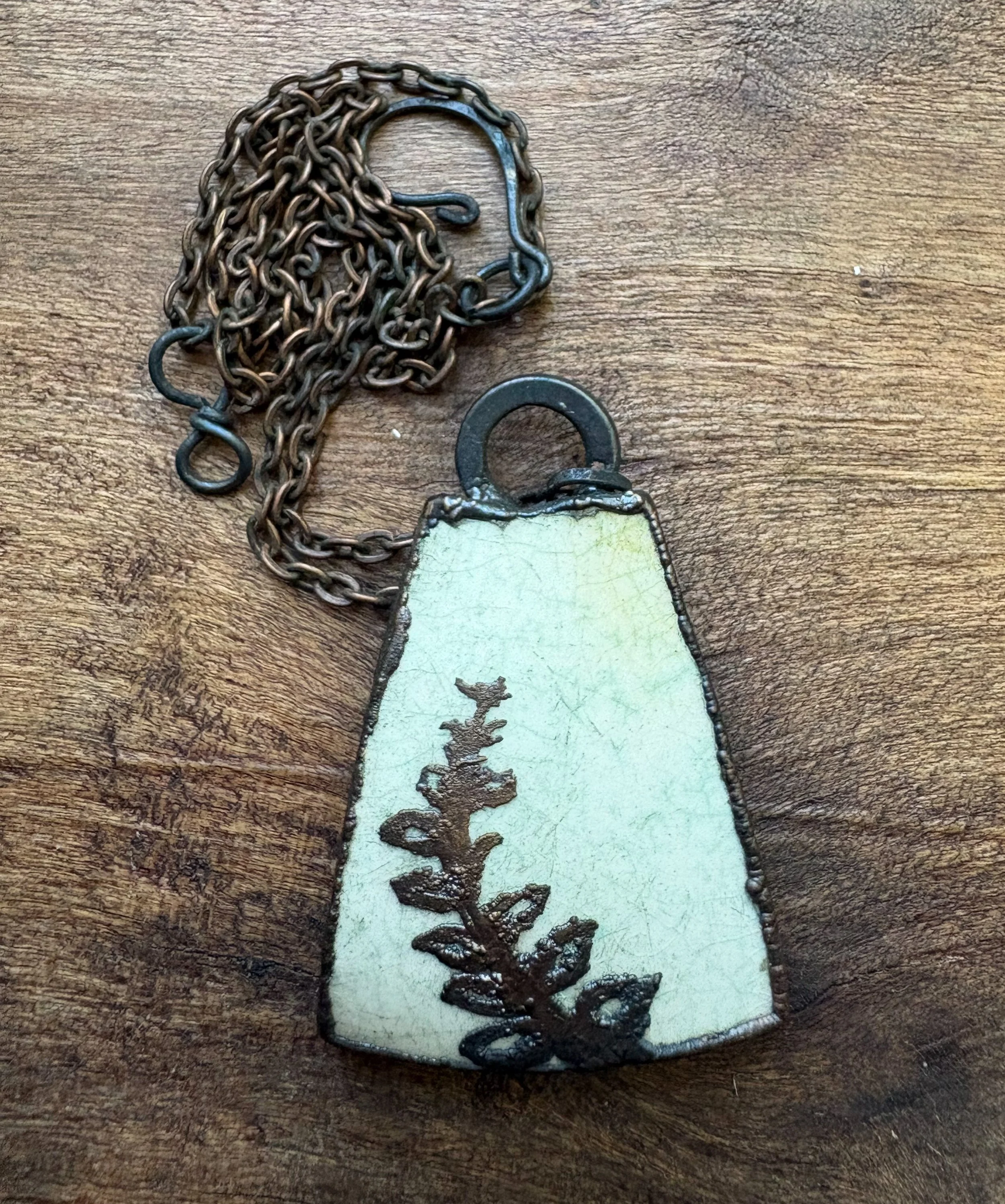
Early 1900’s stoneware found on the Ohio after being electroformed
Glowing Treasures of the Ohio- The history of uranium glass
Finding a piece of uranium glass along the banks of the Ohio River feels a bit like uncovering hidden treasure. By day, these weathered fragments may look like ordinary green or yellow glass, but under ultraviolet light they reveal a brilliant neon glow—a reminder of their unique past.
Uranium glass has been produced since the early 1800s, when small amounts of uranium oxide were added to molten glass to create its distinctive green and yellow hues. It became especially popular during the late Victorian era and throughout the 1920s and 1930s, when it was used to make everything from elegant tableware to affordable Depression glass. Although it contains trace amounts of uranium, the levels are generally considered very low, and intact pieces are commonly collected by enthusiasts today.
The Ohio River has long been a center of American glassmaking. Factories in communities along the river produced millions of glass bottles, dishes, and household items, many of which eventually found their way into the river through everyday use, industrial disposal practices of the time, floods, or broken refuse. Today, each glowing fragment discovered along the shoreline is a small piece of that industrial and cultural history.
Every piece I find has been shaped by decades of flowing water, carrying with it the story of both the people who made it and the river that preserved it. What was once an ordinary household object has become an extraordinary reminder that history often waits to be rediscovered.
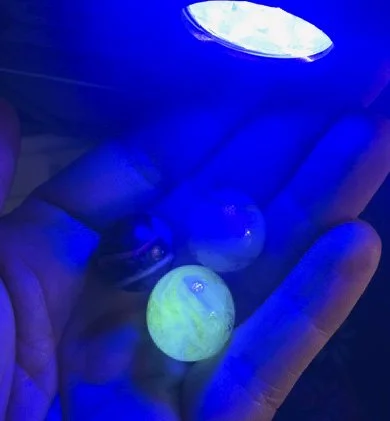
Marbles found along the riverbank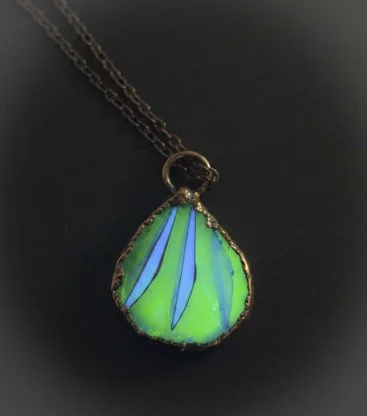
Found uranium class that has been shaped and electroformed, available on shop page.
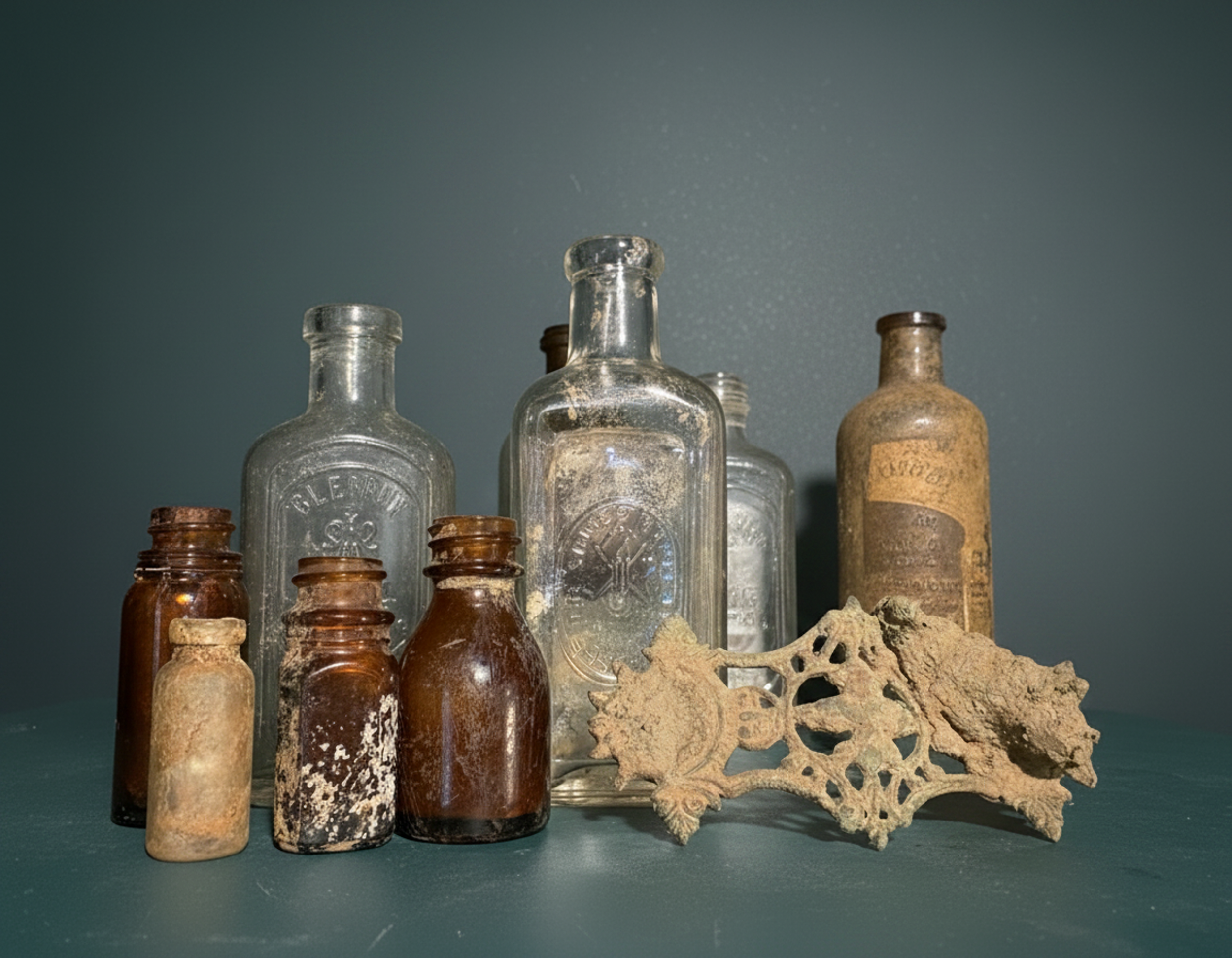
Echoes in Glass
Beneath the river's surface and along its banks lie forgotten pieces of history. These bottles have weathered decades of currents, floods, and changing seasons before finding their way back into the light. Every chip, embossing, and worn edge tells a story waiting to be rediscovered